Nervous about your first event? Here is how to attend a conference for the first time: pick a few sessions in advance, prepare simple conversation openers, rest on purpose, and follow up while it’s fresh.
This guide is part of a wider look at berlin conferences, and the advice applies to events of any size or subject.
| Item | Value |
|---|---|
| Educational sessions at one large 2018 conference | 80+ sessions |
| Official networking functions at that event | 15+ functions |
| Share of attendees who were first-timers | About half |
| Length of that conference | Three days (13-15 September 2018) |
| Typical conversation lengths at a conference | 90s, 3-5 minutes, 10-15 minutes and 20-30 minutes |
The figures come from the Online News Association’s 2018 first-timer tips and from SKMurphy’s conference advice. They describe one past event and one author’s observations, and they can change, so check the source before you rely on them.
Before you attend a conference: set goals and shortlist sessions
A big program can feel overwhelming. For first-timers at the 2018 Online News Association conference, the organiser counted 80+ educational sessions, 15+ official networking functions and 20+ sponsored events, before any informal meet-ups. You cannot do it all, so a little preparation decides what you skip.
Start with purpose. SKMurphy advises setting clear objectives so your effort goes toward your goals, and asking people who attended in previous years for their view of the event. A useful test is simple: what do you want to learn, who do you want to meet, and what will you do with it afterwards?
- Write down what you hope to learn.
- Review the agenda and prioritise the sessions most relevant to that goal.
- Roughly map out each day and sort the options into “must-do” and “other”.
- Choose a Plan B for each slot, because sessions fill up or turn out to be about something else.
- If an attendee list is shared, look through it and note who you would like to meet.
Large programs are often grouped into tracks. The 2018 ONA program, for example, offered five learning tracks, and the organiser suggested choosing between lean-back formats such as a masterclass and interactive ones such as a workshop. The guide to conference schedule planning goes deeper on building a timetable that survives a packed day.
What to pack and wear
Comfort matters more than polish over a long day. A first-time attendee checklist from the MLA annual conference recommends a short, practical packing list:
- Plenty of business cards.
- A small notebook and pens or pencils, since technology sometimes fails.
- A tote or bag for handouts, posters and any giveaways.
- A water bottle.
- Comfortable shoes and layered clothing, because room temperatures can differ.
Paper cards are no longer the only option. One association-sector guide from Sidecar suggests the free QR code in the LinkedIn app as a digital alternative, along with emergency essentials such as band-aids. Both the MLA and Sidecar also advise downloading session handouts in advance, since print copies may not be available.
What to expect once you arrive
Expect more happening than you can attend. One first-timer’s lesson, quoted in the ONA tips, was that you cannot get to everyone in a day and might not in three days. That is normal, and it is a reason to choose rather than chase everything.
If a session is not what you expected, the MLA tips say it is fine to leave and go to another one, especially early on. If the event runs a newcomer event or orientation, Sidecar recommends going, so you can meet others like you and get an overview of what to expect.
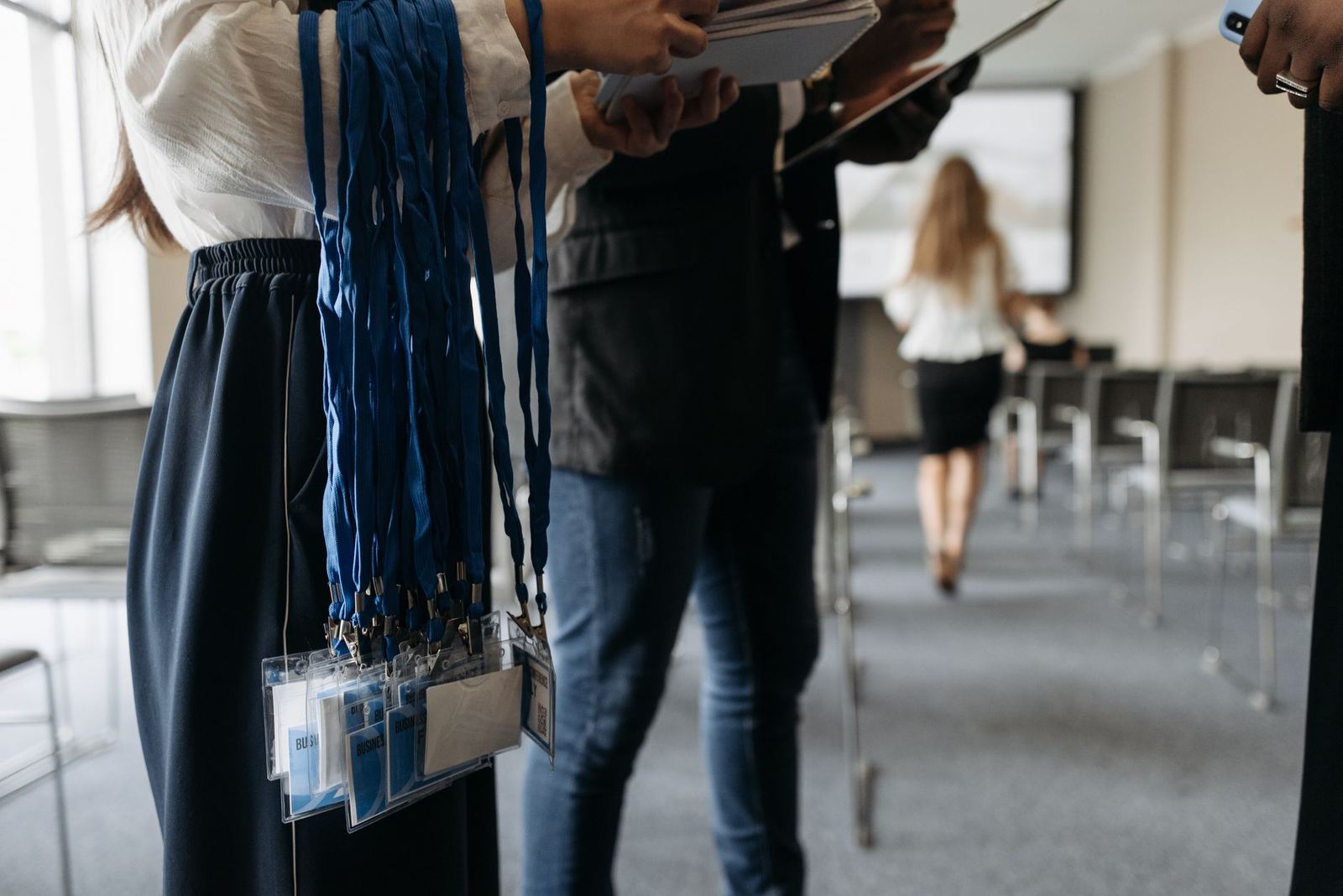
Do not skip the exhibition hall. The MLA tips note that vendors want to talk with you and do not expect every conversation to end in a sale, so a short visit can be useful even if you are not buying.
Rest is part of the plan too. The ONA tips suggest going to bed early on one of the nights, or skipping something to grab a bite with a new friend. Sidecar adds that you should not skip meals, should plan some downtime, and should set an out-of-office reply before you head out for the day.
How can you network without feeling awkward?
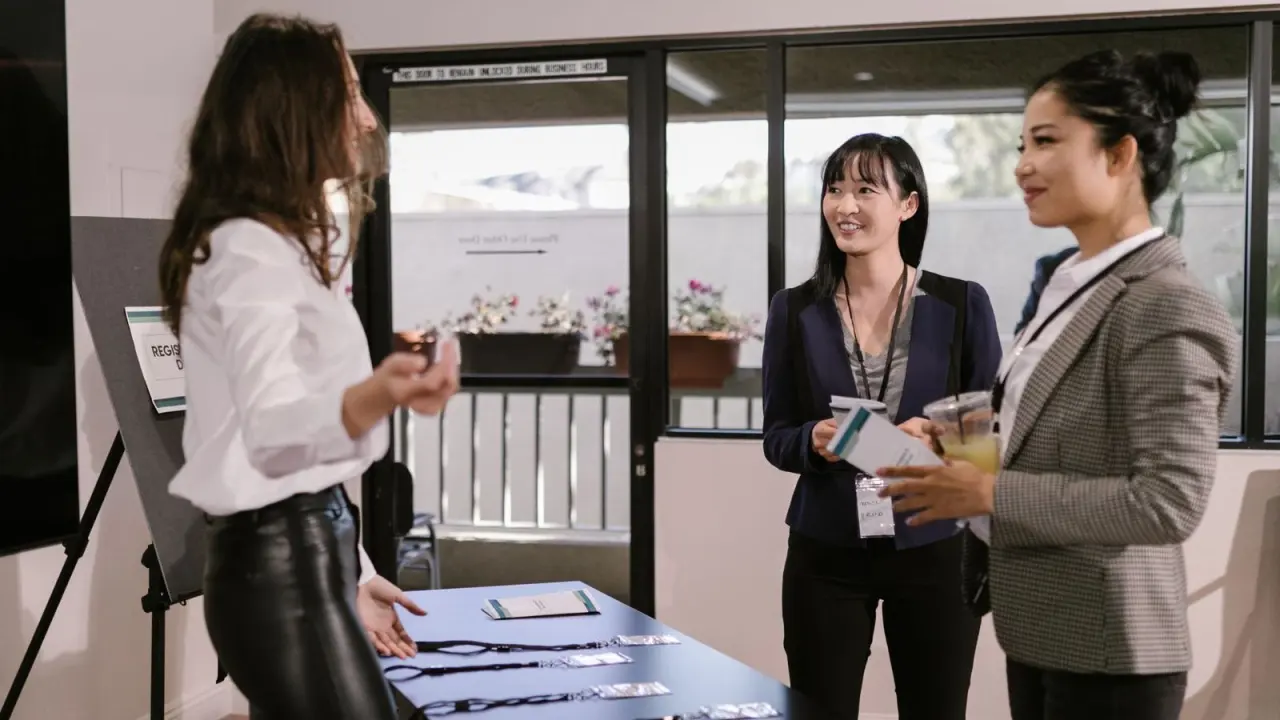
Remember that you are in good company. The ONA organiser said about half of all attendees at its 2018 event were first-timers, so many people who look confident are as new as you.
A few prepared questions make the first minute easier. Sidecar and SKMurphy suggest openers such as:
- “Is this your first time at this conference?”
- “Have any sessions you’re looking forward to?”
- “This is my first time. Do you have any advice for me?”
SKMurphy also advises preparing a short introduction and favouring good questions over a pitch. It notes that conversations tend to fall into different durations, from 90s up to 20-30 minutes, so watch how interested the other person is and swap contact details before you part. The companion guide to conference networking tips collects more approaches, including for people who find small talk draining.
Finally, the ONA tips encourage seeking out someone who differs from you in generation, background or experience. Introducing yourself to the person sitting next to you, as the MLA tips suggest, is an easy place to begin.
After the conference: make it stick
The ONA tips warn that it is possible to get through days of intense learning and remember almost nothing back at your desk. The fix is to treat the follow-up as part of the event.
- Read and edit your notes, at the end of each day if you can, or at least at the close of the conference.
- Pick a single experiment from what you learned and try it in your own work.
- Share what you learned with colleagues, for example in a lunch conversation or a short recap.
- Message the people you met while the conversation is fresh in everyone’s mind.
SKMurphy suggests including one or two specific details from your conversation, so the person can recall you. Sidecar cautions against reaching out weeks or months after an event, when the moment has passed.
Frequently asked questions
Do I still need business cards?
Show answer
The MLA’s first-timer tips still recommend bringing plenty of business cards. Sidecar adds that the QR code in the LinkedIn app is a free digital option you can show whenever you meet someone.
What if a session is not useful?
Show answer
The MLA tips say it is fine to leave and go to another session, especially early on. That is why they recommend a Plan B for each time slot.
Should I fill every slot in the schedule?
Show answer
No. SKMurphy recommends allocating time for networking and breaks so you do not burn out, and the ONA tips say to give yourself a break when in doubt.
When should I follow up with people I met?
Show answer
Soon after the event. Sidecar advises sending connection requests while the meeting is fresh, rather than weeks or months later.