

Conference schedule planning is easier when you book only part of the day and leave the rest open. Worried about missing sessions or burning out by lunch? Pick a few anchors, add buffers and protect your breaks.
For wider context, see the overview of berlin conferences.
| Item | Value |
|---|---|
| Attendees naming networking and collaboration as their primary reason to attend (Booking.com Business, 2026) | 61% |
| Attendees naming networking as their primary motivator (Freeman, 2025) | 58% (39% in 2021) |
| Suggested share of the day to plan formally | 60 to 65 per cent |
| Suggested break in each half-day | 20 to 30 minutes |
| Suggested buffer between sessions | 10 minutes |
| First attention lapse in one observational lecture study | Around 10 to 18 minutes |
The figures come from Converve’s agenda planning article (27 August 2026) and Whova’s conference agenda guide (last updated June 2026). Some are rules of thumb written for organisers and all of them can change, so check the sources before you rely on them.
Why packing every slot backfires
A schedule with a session in every slot looks productive, but the guidance points the other way. Attention is limited: Whova’s conference agenda guide cites an observational study of lectures in which the first attention lapse came around 10 to 18 minutes in.
Rest matters too. Bizzabo’s 2024 article on free time in event schedules notes that without breaks, attendees may become overwhelmed and less likely to retain what they hear.
Several figures show why open time deserves a place in your plan:
- 61% of attendees name networking and collaboration as their primary reason for attending professional events, a Booking.com Business 2026 figure quoted in Converve’s article.
- In Freeman’s 2025 Trends Report, 58% named networking as their primary motivator, up from 39% in 2021, as the same Converve article reports.
- In a peer-reviewed survey of 1,229 medical conference-goers, meeting experts and making professional connections ranked among the highest-rated reasons for attending in person, right alongside learning, according to Whova.
Choose your anchors before you fill the grid
Start with the fixed points. Whova’s guide tells organisers to place keynotes, meals, breaks and exhibit windows before individual sessions, and the same order works for your own plan. Keynotes are usually scheduled with nothing running against them, so they rarely force a choice.
- Write down what you want from the event: a skill, a contact, a product to compare.
- Mark the keynotes and any session you would regret missing.
- Add meals and breaks as real entries rather than leftovers.
- Fill the remaining gaps with one or two optional sessions chosen against your goals.
Parallel tracks mean no two attendees experience the same event, so your list will differ from a colleague’s. Keep one personal schedule: Converve warns that checking a PDF for the track plan and a separate app for meeting requests leads to double-booking.
Preparation counts as well. The Meeting Magazines’ July 2025 feature suggests researching who will be attending and planning to meet a colleague you only see at events, so put those meetings in your plan as appointments.
How much of the day should you plan?
In its August 2026 article, Converve borrows a rule of thumb from offsite and retreat design: plan no more than 60 to 65 per cent of the available time formally and treat the remaining third as protected. The article calls this a heuristic, not a law of nature. For you, it is a number to test your own plan against.
If your event offers pre-scheduled one-to-one meetings, check where they sit. Converve’s advice to organisers is to block one to two meeting windows of 90 to 120 minutes per day, so treat those windows as booked time and avoid placing sessions on top of them.
A sample conference schedule built around breaks and buffers
Whova’s guide suggests putting the heaviest sessions in the morning and saving the afternoon for interactive or social content. It calls the post-lunch slot the lowest-energy stretch of the day, so a workshop or panel that keeps people active suits it better than a long lecture.
- Morning: your most demanding sessions, while focus is highest.
- Mid-morning: a full break to rest, talk or visit the exhibit area.
- Lunch: a proper meal break, not a sandwich at your seat.
- Early afternoon: a workshop, panel or other session where you take part.
- Mid-afternoon: a second full break.
- Late afternoon: one lighter session, or free time you can spend as you like.
On the numbers, Whova suggests a break in each half-day and 10 minutes between sessions so people can move between rooms. Converve keeps breaks at 20 to 30 minutes. Use them as starting points and adjust to the venue.
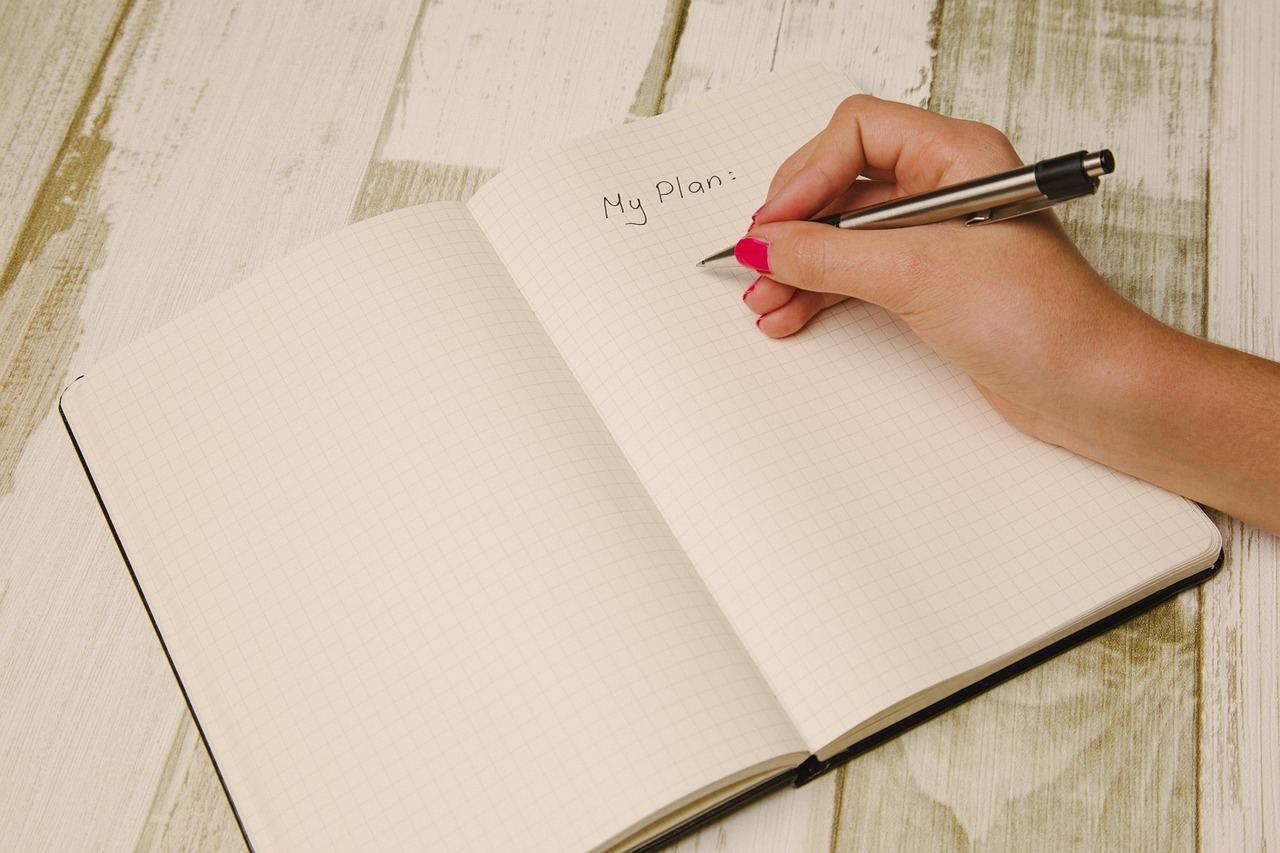
Treat this as a template rather than a rule. Swap the order if your must-see session lands after lunch, but keep the breaks.
Use the breaks for conversations and rest
The Meeting Magazines’ July 2025 feature argues that real networking often happens in the in-between moments. It lists three simple moves for them:
- Turn to the person sitting next to you in the session before the break and discuss the session content.
- Introduce yourself to one new person during a break.
- Plan to meet up with a colleague you only see at events.
Not every break needs to be social. Bizzabo counts a walk, a snack or some quiet time as sensible uses of free time, and The Meeting Magazines acknowledges that networking does not come naturally to most people and suggests learning a few icebreakers ahead of time.
Leave a short slot after the event for follow-up. One event professional quoted in the same feature connects on LinkedIn and sends an email after a meaningful conversation.
If you are new to events, the guide on how to attend a conference for the first time covers the wider basics.
When the schedule changes on the day
Hardly any schedule survives the day exactly as planned, Whova’s guide observes. A keynote’s delayed flight or a room change an hour out is all it takes, which is one more reason to keep buffers in your own plan.
The same guide notes that a live, digital agenda lets organisers change an entry once so that everyone sees the update on their phone in real time. If your event uses one, check it between sessions.
Arrival times, transport and packing sit outside the programme itself, and the conference travel checklist is the place to start for those.
Frequently asked questions
How many sessions should I attend in a day?
Show answer
The sources give no fixed count. Converve’s rule of thumb is to plan no more than 60 to 65 per cent of the available time formally, so a few anchor sessions plus meals and breaks usually fit.
Is it acceptable to skip a session?
Show answer
Yes. Bizzabo’s 2024 article says that without breaks attendees may be less likely to retain information, and it treats a walk, a snack or quiet time as legitimate uses of free time.
What if two sessions clash?
Show answer
Clashes come from parallel tracks, because keynotes are usually scheduled with nothing running against them. Choose the session that matches your goals and remove the other from your personal schedule.
How do I network if I find it uncomfortable?
Show answer
You are not alone, since The Meeting Magazines notes that networking does not come naturally to most people. Learning a few icebreakers ahead of time and introducing yourself to one new person per break are small places to start.