Berlin is huge, so where should you go? This berlin neighbourhoods guide gives the short answer: start with the central areas inside the Ring, then choose by mood.
This guide sits within the site’s wider coverage of visiting berlin.
| Item | Value |
|---|---|
| Pankow: inhabitants | 411,133 inhabitants |
| Pankow: area | 10,322 ha |
| Mitte: inhabitants | 365,741 inhabitants |
| Charlottenburg-Wilmersdorf: inhabitants | 323,712 inhabitants |
| Friedrichshain-Kreuzberg: area | 2,040 ha |
| Neukölln: countries of origin of its residents | More than 145 countries |
The population and area figures come from the Berlin Partner borough profiles. Figures can change, so check the source before you rely on them.
How Berlin’s boroughs and neighbourhoods fit together
Berlin is divided into boroughs, and each borough contains several localities. Mitte, for example, covers Gesundbrunnen, Hansaviertel, Moabit, Tiergarten, Wedding and Mitte itself, as listed in the Berlin Partner district profiles.
Sizes differ a lot. Pankow is the northernmost and most populous borough, with 411,133 inhabitants across 10,322 ha, while Friedrichshain-Kreuzberg fits its two localities into 2,040 ha, according to the same profiles.
That is why a name such as Prenzlauer Berg points to a locality inside the borough of Pankow, as Trippin’s Berlin guide notes. The same guide suggests that, for a first visit, it is simplest to stick to the areas within the Ring, and it names seven neighbourhoods as the most interesting:
- Mitte
- Prenzlauer Berg
- Friedrichshain
- Kreuzberg
- Neukölln
- Schöneberg
- Charlottenburg
The sections below follow that list, then look briefly at the outer boroughs.
Mitte and Tiergarten: the historic centre
Mitte sits in the heart of Berlin and, according to Berlin Partner, offers living quarters in all price segments. It has 365,741 inhabitants across 3,940 ha, and it contains the Tiergarten, which the same page calls Berlin’s “green lung”.
A student guide from the Freie Universität Berlin says Mitte has returned to being the true middle of the city since reunification. It singles out Unter den Linden as a walk that combines a boulevard with sights such as the Neue Wache, Humboldt-Universität and the Brandenburger Tor. Shopping on Friedrichstraße and around Hackescher Markt tends to be on the more expensive side, it adds.
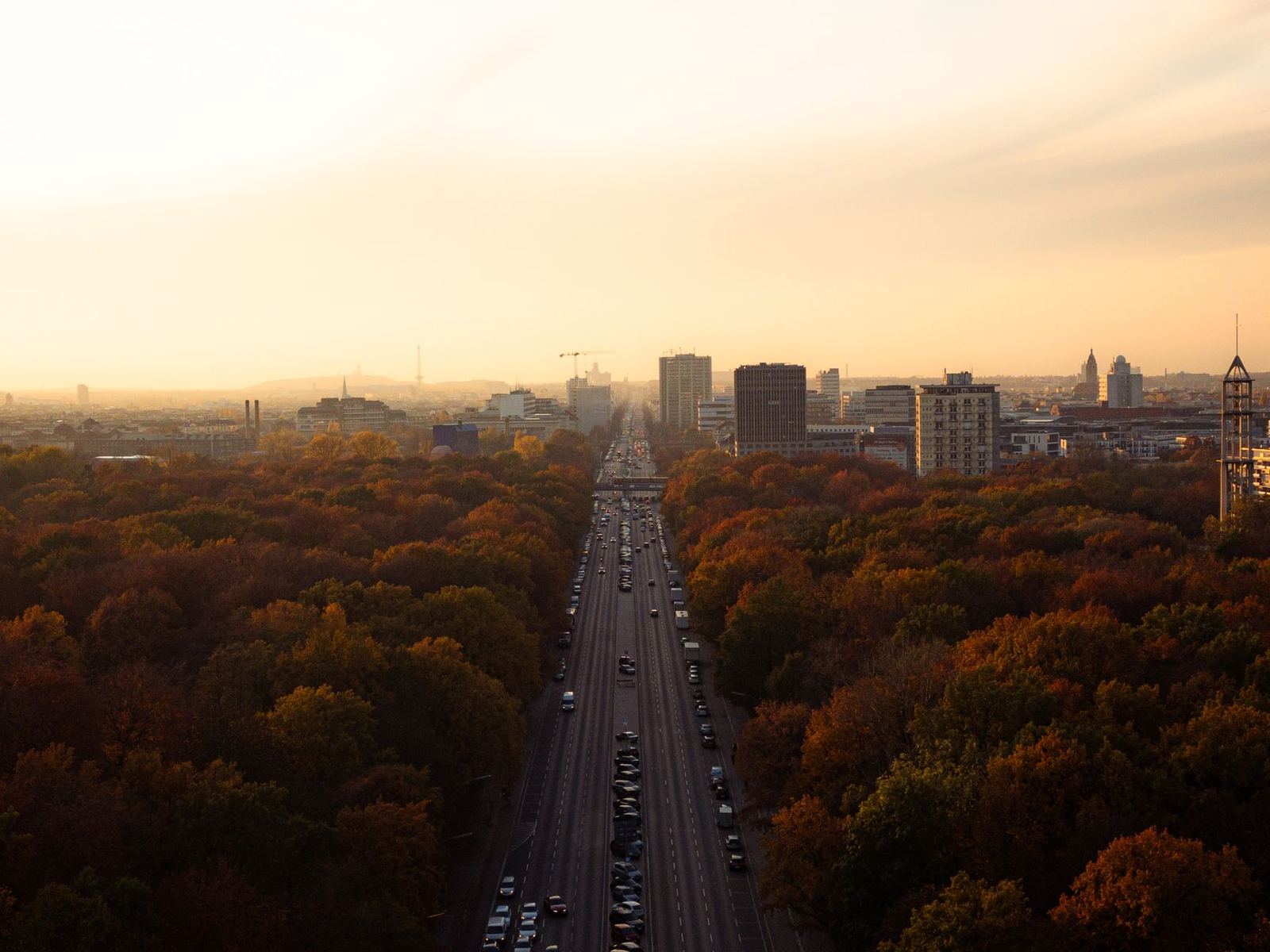
The Tiergarten area also holds the public park of the same name, government buildings on its outskirts and Potsdamer Platz. According to the same guide, you can stroll through the park and visit the Zoo and Aquarium. Potsdamer Platz was one of the busiest junctions of the Roaring Twenties, was badly destroyed during World War II, and was cut through by the Wall.
Not everyone rates the busiest squares. One writer at Trippin advises steering clear of Alexanderplatz because it is full of people, and says its only real sight is the tower.
Prenzlauer Berg and Friedrichshain: the east side
Prenzlauer Berg is known for its well-refurbished old buildings, per Berlin Partner. Trippin describes it as having calmed down, a district now favoured by young families and nine-to-five professionals, close to the Mauerpark flea market.
The Freie Universität guide suggests Kollwitzplatz as a quieter place to get your bearings, with many cafés and restaurants around it. It also points to the Kulturbrauerei, an old brewery turned into a night spot with clubs, bars and a cinema, via the Freie Universität’s district notes.
Friedrichshain has a younger, rougher feel. The Freie Universität guide says this is where Berlin’s students gather, with plenty of places to hang out around Simon-Dach-Straße. Karl-Marx-Allee, formerly Stalinallee, still shows examples of Socialist architecture.
Along the river, Trippin points to the Eastside Gallery, an outdoor showcase of painted remainders of the Berlin Wall, and the Oberbaum Brücke, which bridges the gap into Kreuzberg. It also calls Friedrichshain cheaper than neighbouring Prenzlauer Berg, Kreuzberg or Mitte, though a bit rougher around the edges.
Berlin Partner notes that the combined borough of Friedrichshain-Kreuzberg lies on both sides of the Spree and is considered one of Berlin’s youngest, per its neighbourhood page.
Kreuzberg, Neukölln and Schöneberg
Kreuzberg mixes shopping, parks and nightlife. The Freie Universität guide says you can buy just about anything on Bergmannstraße, and that the small hill in Viktoria Park gives a view over the whole city. It puts most of the area’s clubs and bars on Oranienstraße and Bergmannstraße.
Writers also describe change here. Trippin calls Kreuzberg a prominent example of gentrification, a once sleepy neighbourhood for working-class migrants that now hosts design and fashion. It describes Markthalle 9 as an indoor street food hall that is great but pricey.
Neukölln is described by Berlin Partner as home to people from more than 145 countries, with café, bar and art scenes in the older northern quarters and lower-cost living in the south, according to the borough profile. The Freie Universität guide mentions the Turkish market at Maybachufer on Tuesdays and Fridays, and Trippin points to the delis along Sonnenallee and to Tempelhofer Feld, a gigantic former airport runway.
Schöneberg is one of the quieter parts of the city. The Freie Universität guide highlights laid-back cafés south of Nollendorfplatz and a produce market at Winterfeldtplatz on Wednesdays and Saturdays. Market days can change, so check local listings.
If your plans involve shopping, the guide to berlin shop opening hours sunday is worth a read first.
Charlottenburg and the outer boroughs
Charlottenburg-Wilmersdorf is a traditional western borough with a large share of water and forest, according to Berlin Partner. It has 323,712 inhabitants across 6,469 ha, with townhouses near the Kurfürstendamm and the mansion colony in Grunewald.
Visitors come mostly for culture rather than nightlife. The Freie Universität guide lists the Memorial Church, Charlottenburg Palace and the Berggruen Collection, and notes that Kurfürstendamm and Tauentzienstraße lead to KaDeWe, which it calls the largest department store in continental Europe.
Beyond the centre, the Berlin Partner profiles describe quite different areas:
- Lichtenberg, with 305,118 inhabitants, combines refurbished prefabricated estates and old-building quarters with calmer single-family-home areas.
- Marzahn-Hellersdorf has prefabricated estates in the north and extensive residential quarters with single-family homes in the south.
- Reinickendorf, with 257,225 inhabitants across 8,932 ha, includes localities such as Tegel and Frohnau.
Which neighbourhood suits your trip?
Match the area to what you want from your days, using the sources above:
- History and walking: Mitte and Tiergarten.
- Cafés and a calmer pace: Prenzlauer Berg or Schöneberg.
- Younger crowd and lower prices: Friedrichshain.
- Food, markets and street life: Kreuzberg and Neukölln.
- Museums, palace gardens and boulevards: Charlottenburg.
Distances add up quickly in a city this size, so read up on berlin public transport tickets before you decide how far from the centre to stay.
Frequently asked questions
Which Berlin neighbourhood is best for a first visit?
Show answer
There is no single answer, but Trippin suggests sticking to the areas within the Ring and names Mitte, Prenzlauer Berg, Friedrichshain, Kreuzberg, Neukölln, Schöneberg and Charlottenburg as the most interesting.
Is Prenzlauer Berg a district or a borough?
Show answer
It is a locality inside the borough of Pankow, according to Trippin.
Which borough has the most residents?
Show answer
Pankow, with 411,133 inhabitants, is described as the most populous borough in the Berlin Partner profiles. Check the source for updated figures.
Where is the nightlife concentrated?
Show answer
The Freie Universität guide places clubs and bars in Kreuzberg, around Hackescher Markt in Mitte and in Friedrichshain, and says Charlottenburg has little nightlife.