
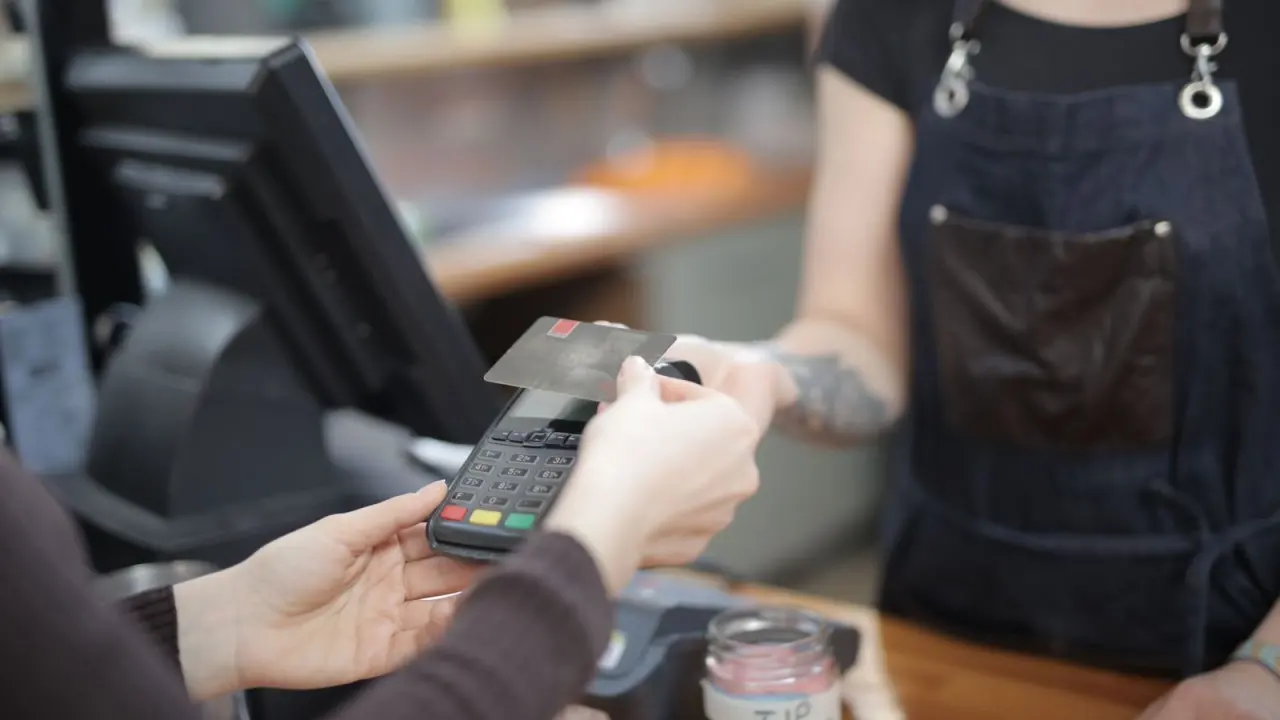
Not sure about Berlin cash or card? Carry both. In 2025, more than half of payments in Germany were cashless, yet cash is still widely used, so a little of each covers you.
This page is part of the wider guide to visiting berlin, and it looks at how people in Germany pay and what that means for your wallet.
| Item | Value |
|---|---|
| Cashless share of payments in Germany (2025 survey) | 55 percent |
| Cash share of payments (2025 survey) | 45 percent |
| Debit card share of payments (2025 survey) | 26 percent |
| Mobile payments (smartphone or smartwatch), share of payments | 10 percent |
| In-store purchases where cash could be used | 94 percent of cases |
| Average cash in a German consumer’s wallet (2021 study) | €100 |
The figures come from a report on the Bundesbank’s 2025 survey and the Bundesbank’s 2021 payment behaviour study. They describe Germany as a whole, not Berlin alone, and they can change, so check the source before you rely on them.
What the latest figures say about paying in Germany
In the Bundesbank survey, with data collected between September 8 and December 2, 2025, people in Germany paid without cash in 55 percent of cases. According to this report on the survey, it was the first time since the first analysis in 2008 that cashless methods took the overall lead.
Cash still accounted for 45 percent of all payments, which the same report calls very high compared with the rest of Europe. In 2023 the cash share was 51 percent, and in 2008 it was 83 percent.
The mix of payment types in that survey looks like this:
- Cash: 45 percent of payments.
- Debit cards: 26 percent, the most frequently used single method, especially the girocard.
- Mobile payments: 10 percent, up four percentage points from the previous survey.
In short, the direction is towards cards and phones, but nobody can assume cash is unnecessary. These are national averages, so a particular café, market stall or bar in Berlin may differ.
Where cash still matters
Respondents could pay for in-store purchases with cash in 94 percent of cases, according to the report on the 2025 survey. The same report says cash is less frequently accepted on public transport and at retail self-service checkouts.
Cashless is not universal either. Approximately a quarter of respondents had been unable to make a desired cashless payment on at least one occasion, so a card alone is not a guarantee. The report also notes that 80 percent consider it important that paying in cash remains possible.
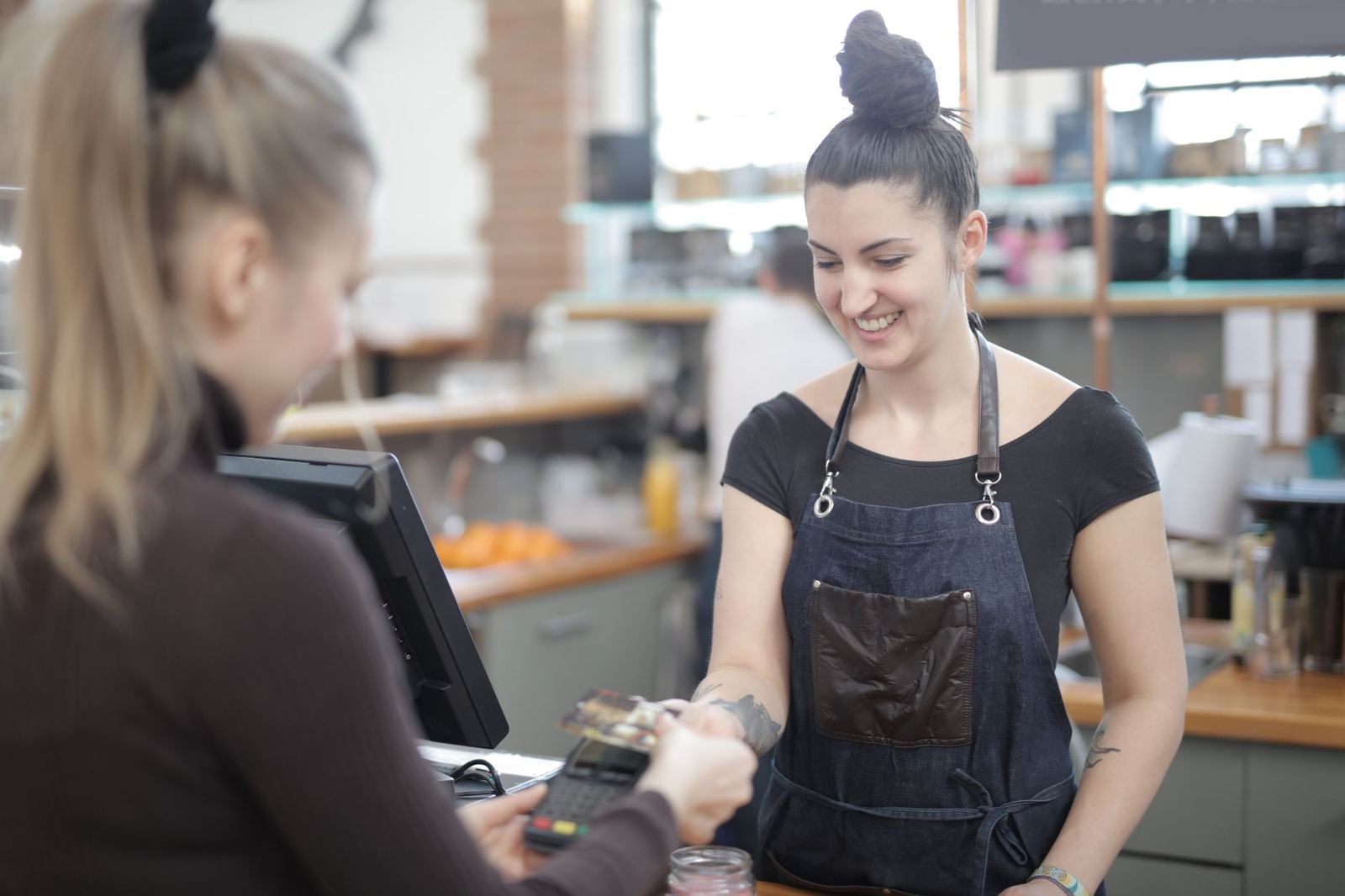
Attitudes explain some of this. In the same report, 12 percent of respondents said they would have great difficulty managing daily life without cash. Older people, people with low incomes and those with limited digital experience tend to use it more often.
Cards: the girocard, credit cards and contactless
The girocard is the German debit card, which is often still called the EC card. It was the most used single payment method in the 2025 survey, as the report shows.
In the Bundesbank’s 2021 study, contactless payments accounted for two-thirds of all debit card payments. The same study noted that girocards had so far not been enabled for online payments, so that detail reflects the situation in 2021 and may have changed.
The sources do not describe how cards issued abroad are treated in German shops. Ask your card issuer about fees and look for card symbols at the till before you order.
Mobile payments: phones and watches
Paying with a smartphone or smartwatch grew to 10 percent of payments in the 2025 survey, according to the report. That makes it a useful backup, though not yet the default.
The 2021 study gives a sense of the field at that time:
- 17% of smartphone owners had already used their phone to pay at the point of sale.
- Among people using mobile payment options, Apple Pay was the usual choice for 38%.
- Bank or savings bank payment apps followed at 25%, and Google Pay at 18%.
Those shares may have moved since, but they show that bank apps and the big wallets all play a role.
A practical way to pay during your visit
Because acceptance varies by place, a layered approach works better than choosing one method. Try these steps:
- Bring a debit or credit card and check with your issuer about foreign fees.
- Add a phone or watch wallet as a second option if your card supports it.
- Keep some cash for places that may not take cards. For scale, the 2021 study found consumers in Germany carry €100 on average.
- Look for card signs or ask before you order or queue.
- Expect fewer cash options on public transport and at self-service checkouts.
If you are still choosing a base, the guide to the best areas to stay in berlin is a useful companion to this page. Small change also helps when you add a little extra to a bill, and berlin tipping etiquette explains how that usually works.
Frequently asked questions
Is cash still widely used in Germany?
Show answer
Yes. Cash made up 45 percent of payments in the 2025 survey, and in-store purchases could be paid in cash in 94 percent of cases, according to the report on the survey.
Can I get by with only a card in Berlin?
Show answer
Often, but not always. Approximately a quarter of respondents had been unable to make a desired cashless payment at least once, according to the report, so keep some cash as a backup.
Are mobile payments common?
Show answer
They are growing. Mobile payments reached 10 percent of payments in the 2025 survey, up four percentage points from the previous survey, as the report states.
Is cash about to disappear?
Show answer
The same report says the ECB and the EU Commission have repeatedly countered fears that cash could be abolished. As of the Commission’s June 2023 proposal, the digital euro would become legal tender but is not intended to replace notes and coins.